
Lifestyle
and Vitality
The Daily Rhythms of Masculine Vigor: A study of ancient habits and environmental alignment for the modern man.
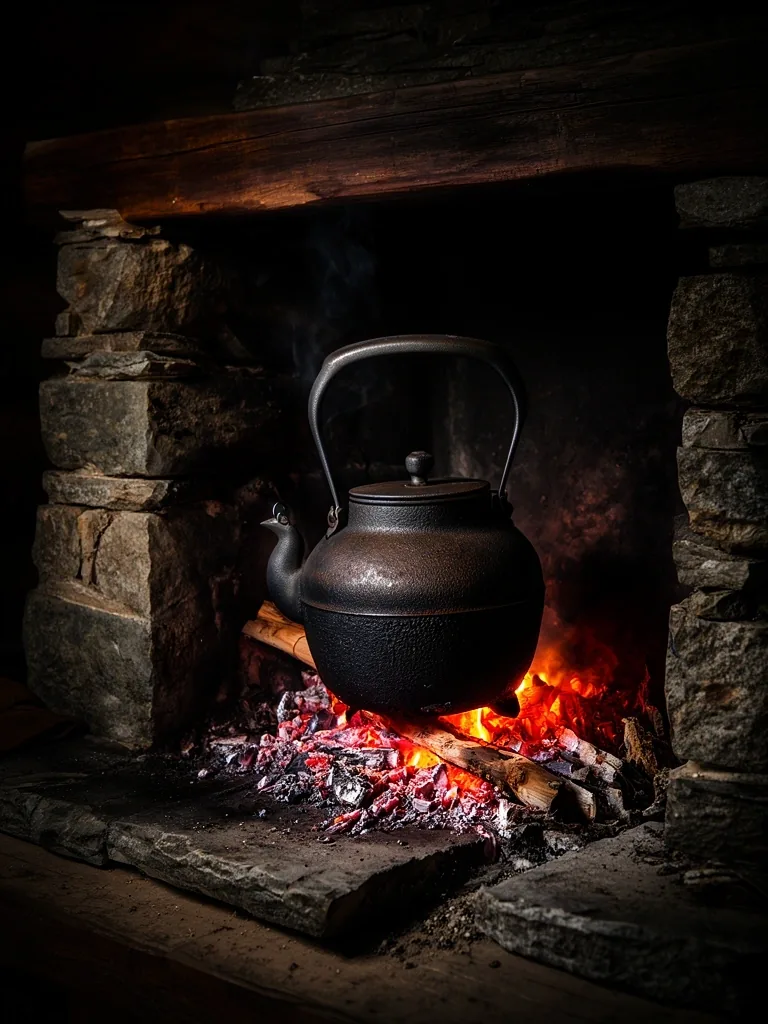
Foundation
Vitality is not found in a single action, but in the accumulation of daily habits.
At Salud Masculina, we believe that the environment a man inhabits and the rhythms he follows are the primary determinants of his energy levels. Modern life has introduced many comforts that, while pleasant, often signal the body to remain in a state of low-level hibernation. By looking at traditional masculine lifestyles - from the rugged Basque hills to the disciplined Japanese countryside - we can identify the habits that keep the internal fires burning and the mind sharp.
Energy is a currency earned through effort, not a static gift. Historically, a man’s presence was defined by his ability to endure varying conditions, maintain focus during long hours of physical labor, and recover deeply through ancient rituals of rest. This guide explores how these traditional methods translate to the contemporary world, providing a framework for robust stamina without relying on clinical interventions.
The Importance of Thermal Stress
Ancient traditions rarely involved a constant, comfortable temperature. Whether it was the Finnish sauna or the Roman frigidarium, men have long used heat and cold to sharpen their physical state. Exposure to cold water in the morning is a common thread in the lives of historical figures known for their stamina.
This thermal stress "wakes up" the vascular system and forces the body to generate its own heat, a practice that folk wisdom suggests is essential for maintaining a robust masculine presence. By moving between extremes, the body learns to adapt and regulate its internal environment more efficiently, leading to a natural increase in daily alertness and resilience against external stressors.
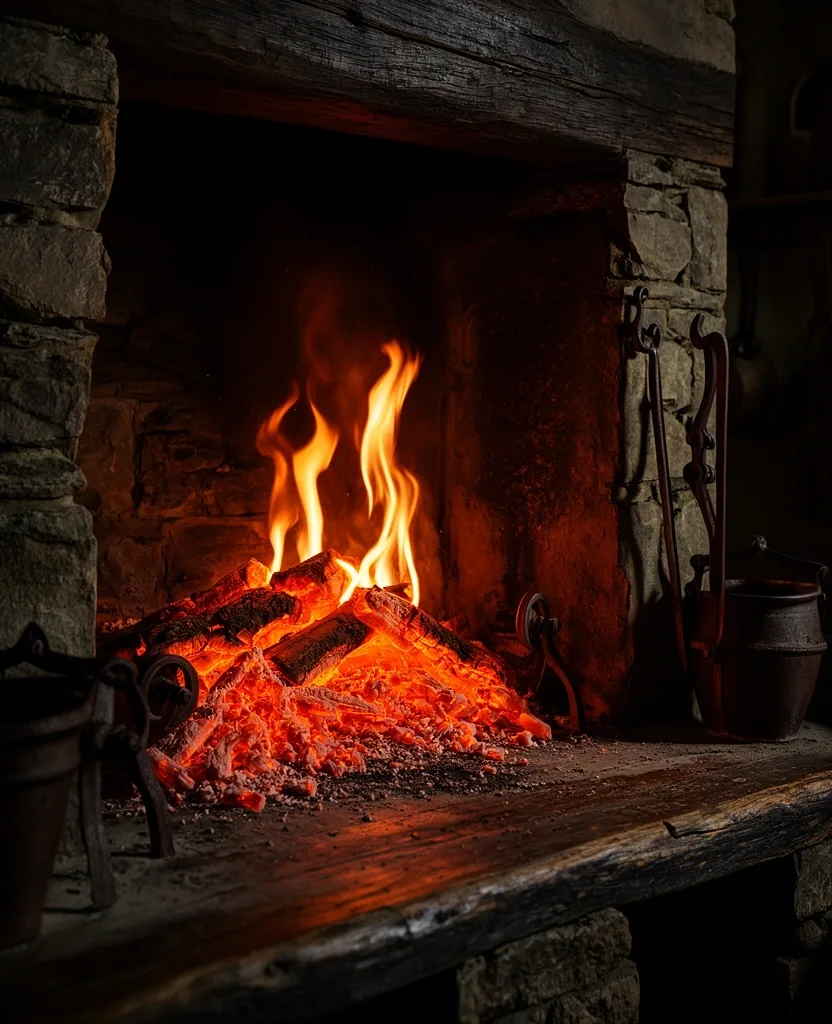
Ritual Note
The contrast between the heat of the hearth and the chill of the Atlantic winds defined the endurance of the Basque mariner.
Environmental Alignments
The Solar Connection
Before the lightbulb, a man's day began with the sun. Traditional lifestyles emphasize the importance of early morning light exposure to set the body's internal clock. Historical farming and seafaring communities utilized the different qualities of light throughout the day to govern their work and rest. This alignment with the solar cycle ensures that energy is available when needed and that the body can enter a truly restorative state once the sun sets.
Functional Movement
In folk history, men were rarely stationary. Their movement was varied, involving balance, lifting, and walking on natural, uneven surfaces. Whether through thin-soled leather shoes or working barefoot in the fields, traditional wisdom suggests that this connection helps to discharge internal tension and maintain a steady flow of energy. Grounding oneself physically in the landscape is more than a chore; it is a vital exchange of force.
Breathing for Power
From the rhythmic breathing of Greek long-distance messengers to the "belly breathing" of Eastern martial traditions, controlling the breath was seen as the primary way to control energy. These traditional techniques were used to calm the heart during stress and to provide a burst of stamina during intense physical labor, acting as a manual bridge between the mind and the body's internal engine.
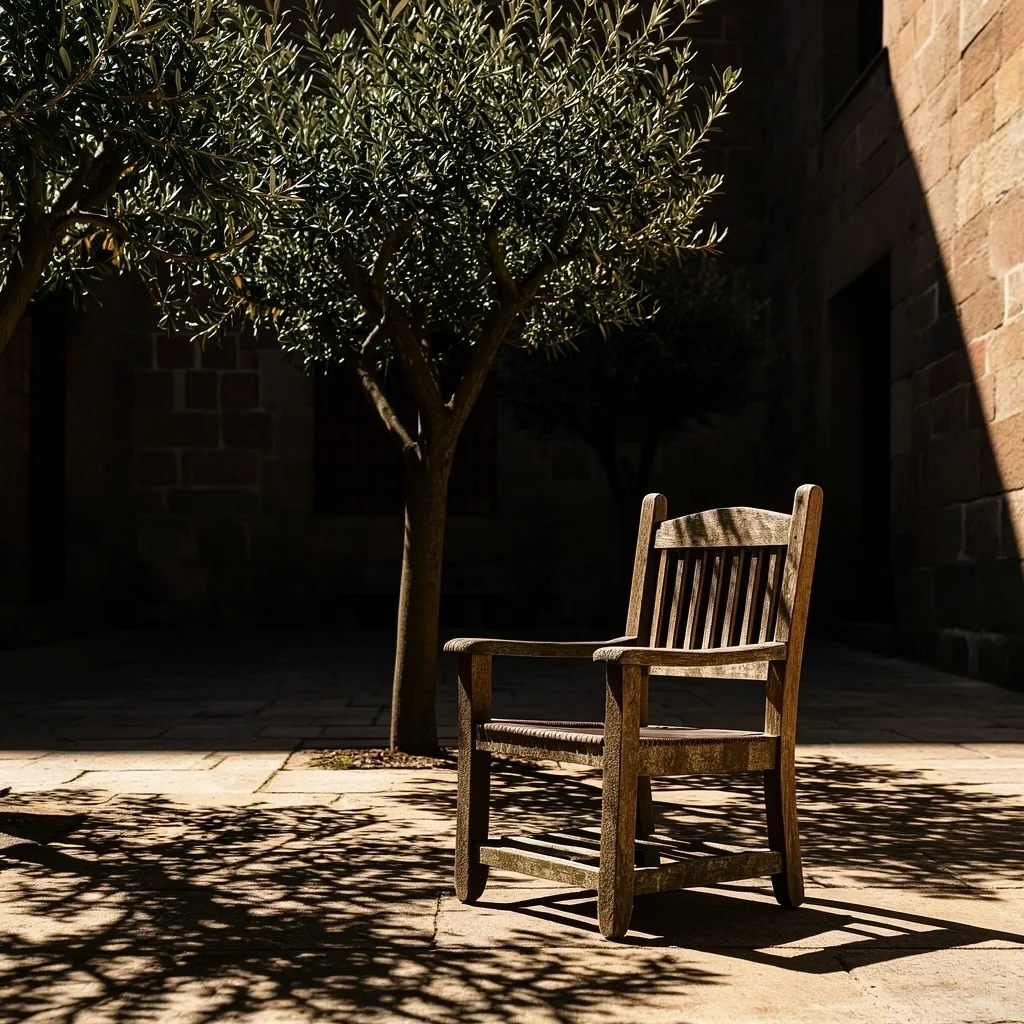
The Rhythm of Active Rest
Rest in traditional societies was not synonymous with collapse. It was a structured part of the day, often involving light social activity or craft work. The Mediterranean "siesta" is a well-known example, but similar midday breaks exist in many cultures worldwide.
This allows the masculine system to recover from the morning's exertion without becoming sluggish. We look at how these periods of active rest were used to maintain a high level of productivity throughout the long Spanish summer days, ensuring the internal reserve is never fully depleted.
The Internal Reserve
Balancing the external pressure of the tribe with the internal need for stillness.
The Impact of Social Duty
A man's energy is often tied to his sense of responsibility. In many folk traditions, the most vital men were those with the most significant roles in their community. Having others rely on you creates a psychological environment that supports physical strength and mental endurance.
Environment & Silence
Traditional masculine lifestyles often included periods of mandatory silence or time spent in nature. This "wilderness time" was seen as a way to reset the spirit. By removing constant input, a man can listen to his own internal rhythms and maintain long-term mental clarity.
Sleep as a Sacred Ritual
In traditional Bilbao households, the bedroom was a sanctuary for nothing but rest. It was cool, dark, and quiet. Using natural materials like wool to regulate temperature, traditional men ensured their vitality was replenished daily for the next challenge.
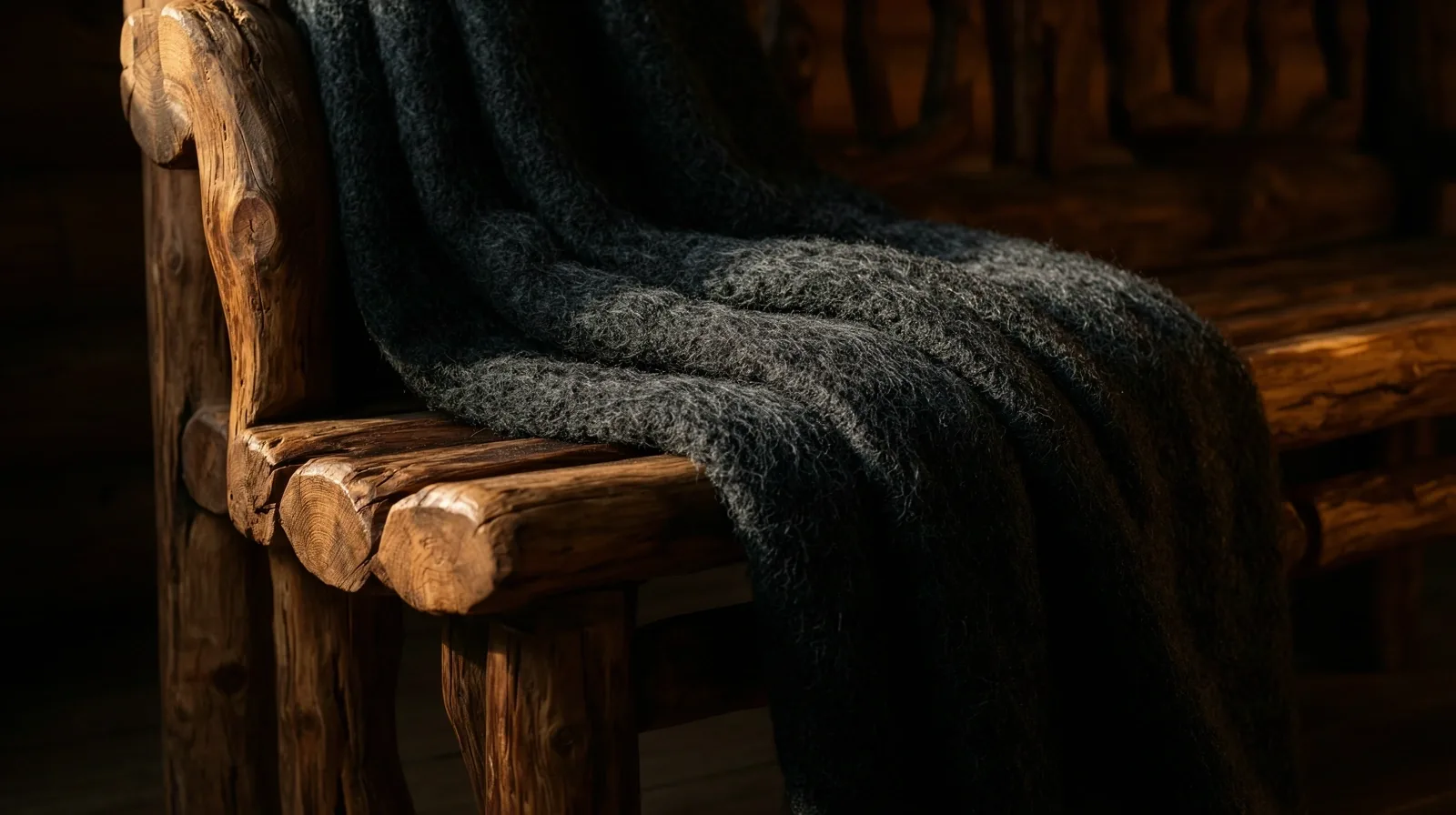
Sleep: The Preparation for Conquest
Historical vitality was built in the dark. By treating sleep as a vital preparation for the next day's challenges rather than an afterthought, traditional men ensured their internal fires were never extinguished. We examine the materials used in historical bedding - such as thick wool, which naturally regulates temperature even in the humid Spanish nights - and how these contributed to a deeper sleep quality.
Refining The Rhythm
Join us as we continue to document the heritage of masculine vigor from our headquarters in Bilbao.
+34 944 52 43 58
© 2026 Salud Masculina